
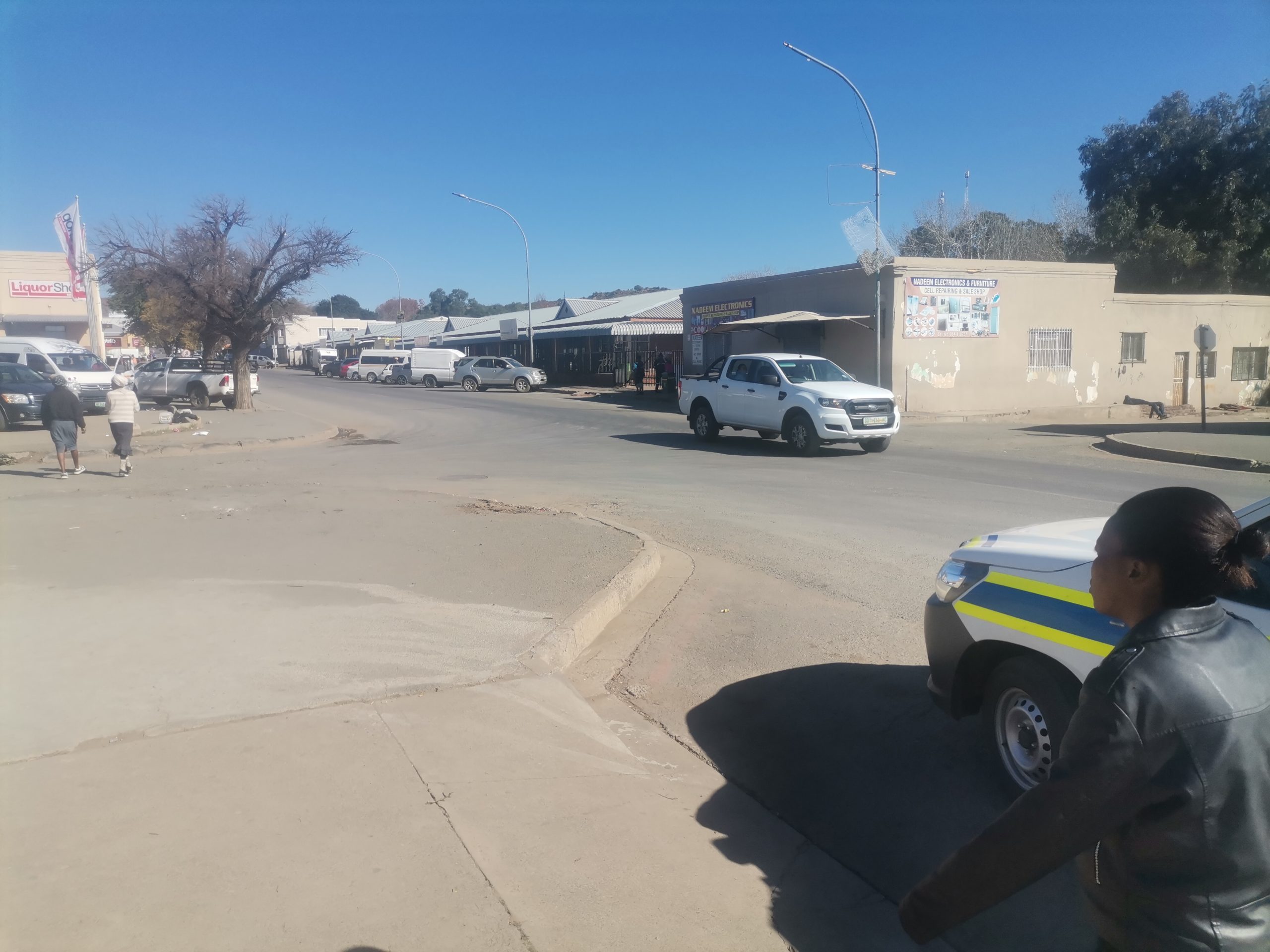
Just as a major police intervention was being rolled out across various parts of the country, June 30 came a day early in Colesberg. Kuyasa residents woke up to locked spazas on the 29th. The impact was immediate and all those positives that the pro-immigration fringe have been throwing around to justify why the #Mabahambe rallying cry might not be the right way to go about ‘fixing the country,’ would’ve prompted some to smell the coffee.
Except there were none of those ‘bulk-breaking’ R2 coffees that come in handy when – as the local parlance goes – the month is ‘lopsided’ and the salaries and grants are still a few days off. None of the low-priced sugar or the R1 cigarettes – no paraffin, electricity or airtime. Sure, one could always turn to the regular grocers. But they are in town, sometimes a gruelling distance to walk for the elderly, easier if you know someone with a car or can fork out the R40 round-trip taxi fare.
Also, at least as far as cigarettes go, none of the cheaper brands that are in abundance at a spaza are available at the retailers. As previously reported, the Covid lockdown was exactly the conducive breeding ground needed by underground syndicates to flood and ultimately penetrate the market with their contraband. Years later, we know that not only are they well and truly more than just a formidable player but they have snatched a massive chunk of it from established retailers.
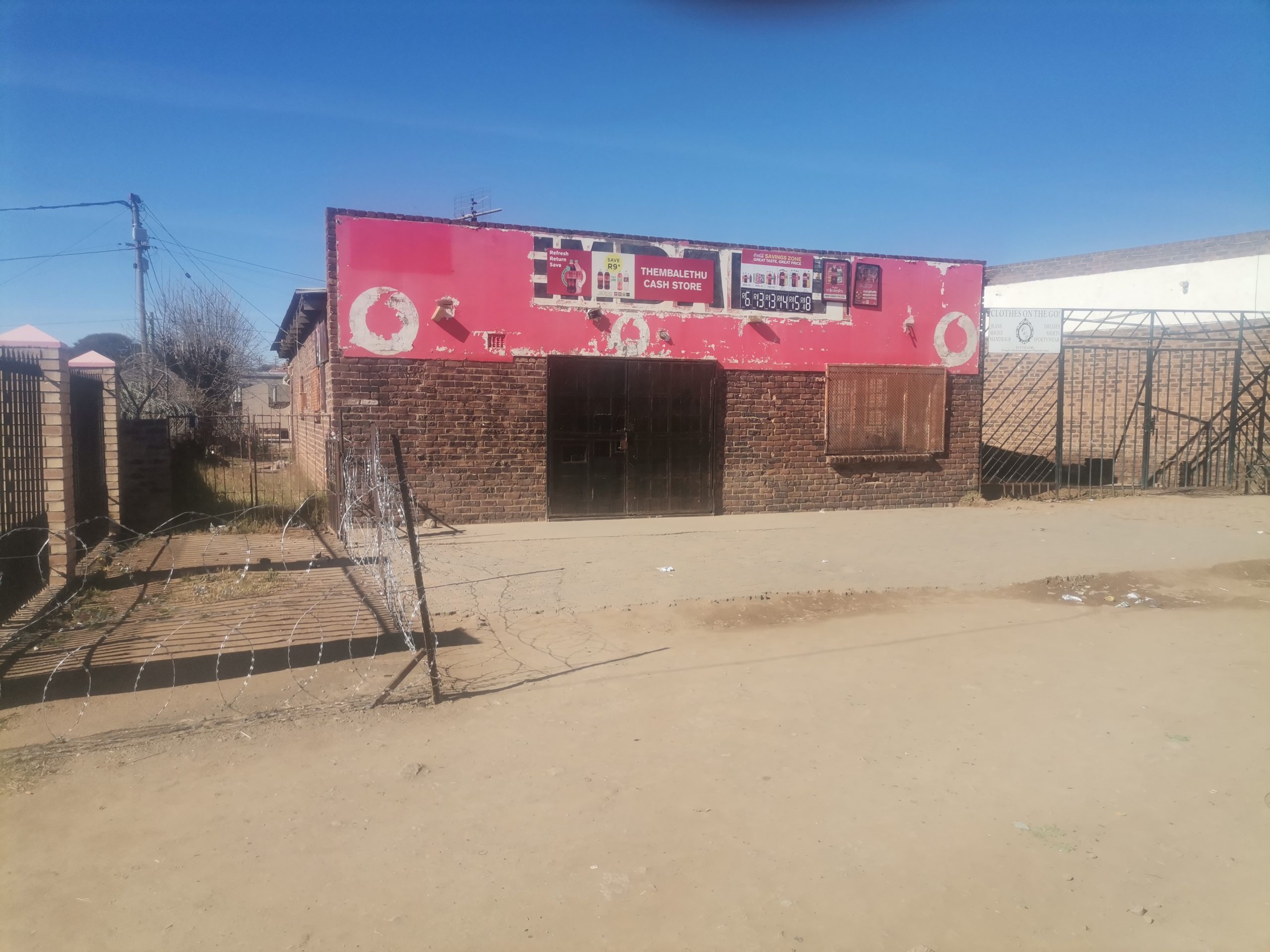
Moreover, it is quite evident that the foreign-owned spazas have done the groundwork and are attuned to the specific needs of the communities in which they operate. At least one woman who brews a popular alcoholic concoction at her home was particularly upset about the unexpected closures. Yes, she could source the yeast that is necessary for her ‘ginger beer’ in town but it would be small and more expensive compared to the amounts she gets at the spaza. Moreover, by comparison, the yeast at the spaza is also very well suited to her unique hustle than the brands available at retailers which, she says, are usually good for baking.
Although there had been at least one alarming incident sometime during the month, it didn’t look like it might culminate in ‘revolt’ or a purge come month-end June. Such problems, it seemed, we’re mostly a concern for far-off places. Here, in die platteland, it was business as usual and the townsfolk were getting on as usual.
Until, that is, an incident that occurred at a local primary school around the 9th of June. A child at the school had allegedly discovered unusual items that looked like pills in a bag of chips she had bought at one of the local spazas. That seemed to be enough to rile up the local community, have the police coming in to intervene and requesting the immediate closing of spaza shops, ostensibly as a security measure. This eventually resulted in a quickly-organised community meeting with foreign nationals invited to take part.
The trigger may have been the ‘chips incident’ but the community had long expressed a dissatisfaction in regard to the extra fees these spazas charge on electricity and airtime purchases and, at said meeting, were given room to ventilate their disgruntlement. But, the foreign nationals maintained, the prepaid machines from which the vouchers are sourced have been paid for by themselves, so was it not only fair that they should be allowed to recoup their money?
Although the meeting seemed to reach some mutual understanding, the following day, a few complaints started creeping up on social media that spaza owners were suddenly claiming to be all out of electricity. The pressing questions were: why now? Why had virtually all of the spazas suddenly run out? Was this a power move, as in to say: You don’t want to pay our levies, then we just will not sell to you at all.
Be that as it may, the two-day (29 and 30th) had regular retailers way busier than usual and local drinking joints were registering large cigarette sales. But, from observation, it could also be said that although there exists a generally cordial overall relationship between the foreign national and the everyday Kuyasa resident, there seems to be a lack of genuine, deeper understanding between the one and the other. The relationships here are mostly constructed around the laws of economy than those of sociology. The one is a producer, the other a consumer and there is nothing wrong with that except when the former starts to cut corners in the name of scoring a quick buck and latter goes along with it only because it saves him money. In trying to meet the needs of the community by selling illegal products, flouting health and food safety laws and engaging in a kind of ‘bulk-breaking that could have serious hygiene concerns, then this could eventually catch up with everybody.
Even on the untrained eye, these seemingly minor infractions call for the necessity of some form of education on the part of foreign nationals to have some degree of familiarity with local laws and for locals to resist going along when these laws are broken only for them to scream ‘habahambe’ when the kids start falling ill.
Featured image: A police vehicle keeps a visible presence on 30 June in Colesberg. Source: eParkeni.