
A cursory glance at the general opinions about SA’s public health care facilities and you begin to see them as places where people don’t necessarily go to find help – but to die. The video evidence on social media is as ubiquitous as it shocking, probably worrisome when you’re of a certain income bracket. From frail patients being made to sleep on the floor, staffers straight up refusing to render their services or just sleeping on the job. And, seemingly, nobody is really immune from the cistern service given that we’ve seen celebrities being subjected to its most effluent variants. (Remember radio broadcaster, Tom London’s video rant at Helen Joseph Hospital in 2024)?
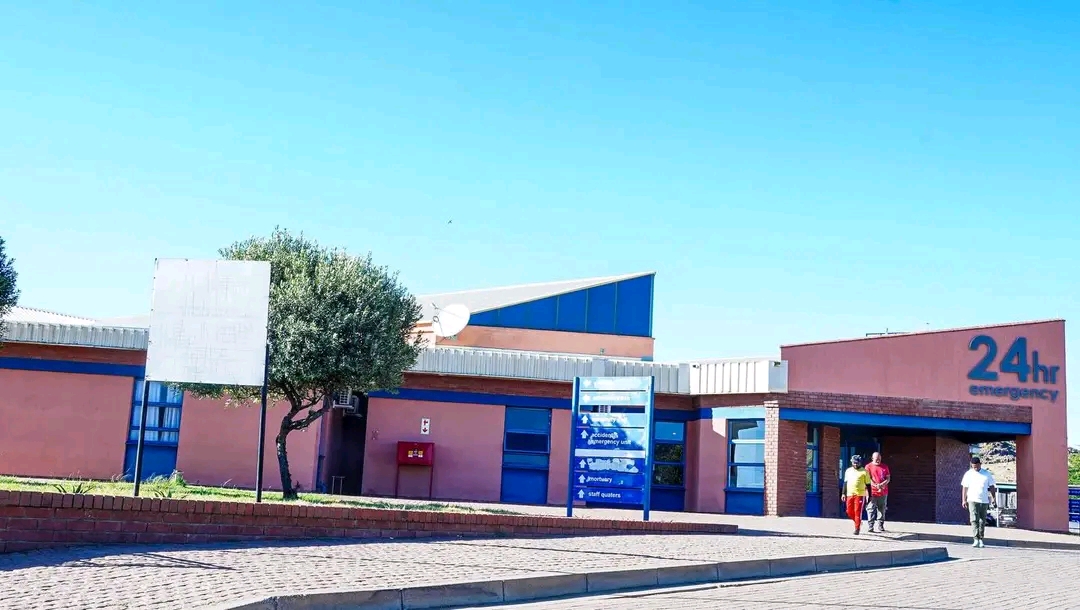
So when on the wee hours this Monday morning, I went limping into Colesberg’s Manne Dipico Hospital, one could forgive my general apprehension. Like prisons, one seldom finds anything that stimulates good cheer on the hospital floor. Needles, drugs, the lingering smell of disinfectant that conjures up grim memories of ‘social distancing,’ lockdown and death during the Covid pandemic. And, we haven’t yet gotten started on the sometimes serious faces on the staff.
Mine wasn’t exactly the best of times to go limping in there around 6 am, just when the nurses were looking forward to winding yet another grueling twelve-hour shift to a close. But this was an emergency. And if they didn’t like it, I probably hated it even more. It’s strange how an anecdotal event can have one waxing lyrical on how this seemingly personal experience likely has universal undertones and interpretations. After all, is that not the foundational underpinning of Ubuntu – that the individual’s experiences are not experienced in isolation but are indeed a microcosm of a collective reality? A reflection of the macro.
Lately, I’m inclined to believe that even more. Those epistomological theories of the butterfly effect fluttering its wings at first from afar but somehow the energy eventually bearing consequences for us all. In this case the triggering butterfly is, let’s call him Pharaphara – a sobriquet commonly denoting the worst of scallywags in the parlance of the streets. They are in the business of money – making it by any means necessary, but their favourite being to simply take it. To the next person that’s theft, to the Pharaphara, it doesn’t really matter what you call it. Theirs isn’t to split hairs but to grab the loot and vanish which is what he was trying to do when I caught him in the middle of a home invasion.
I would’ve had him in some form of citizen’s arrest were it for my right knee – injured as a kid and never having healed properly – unexpectedly giving in on me when I had both hands on the intruder. I’m not going to attempt an explanation on what a dislocated knee feels like save to say, it’s so intense, so debilitating, it feels like what I’d imagine going into septic shock must feel like. At the hospital, first thing you notice is that doctors aren’t around all the time. So a nurse points you to a bed with the instruction to wait until they’ve arrived around 10am.
When the doctor does get here he’s brisk: we need to get an X-ray to see what’s really going on down there. After that, I steel myself as he sticks a thick needle into the knee to expel some of the blood. I’m a scrawny guy but the knee is starting to look like that of a sumo wrestler. Then we must put the joint back in place and afix a brace to it, thankfully that’ll be done under local anasthetic and WhatsApp messages will be sent to the orthopedic surgeons in Kimberley to establish where to from here.
Soon it’s determined that this is an emergency but, as the doctor says, ’emergency’ here is relative – could mean anything between ‘immediately’ and a month or even longer so he recommends I hang in there a few days. Surprisingly, he’s also an honest man: ‘if you had medical aid, this could be over and done with at a private facility.’
From there I’m in a ward with five other males. This is the part I especially wasn’t looking forward to – being reliant on others for the most basic of necessities. The aforementioned videos of horrendous service and scoffing nurses had me particularly uneasy. It’s given public health care a bad rep and so I went in there expecting faeces-stained toilets, threadbare blankets and dirty, unlit corridors. Oh yes, cheeky nurses and indignant doctors, too.
Yet almost from the start, my presumptions – like my body – didn’t appear to have much of a leg to stand on. The first thing I noticed was the presence of that most noble aspect of any institution, workplace or unit where people must co-exist: discipline. From the cleaning staff to the nurses, there seemed to be plenty of it to go around. Discipline and the profound sense that the people not only took pride in their jobs but always knew that there was a superior who would be displeased if they failed to do it properly.
To the patient this translates into easy familiarity with the routine. You quickly catch on as to what time meals are served, when the medication or new linen will come rolling by. Everything, for the most part, functions like clockwork. But hospitals do not function outside of the broader public service and as a result, they too bear the ripple effect of governance and the social ills that plague the town or country. Now, in the third day of my stay, there have been water outages. It was a criminal act that landed me here over the weekend. Lacking resources, it would seem, render my ’emergency’ situation impossible at this point. Government speaks of a National Health Insurance Bill, but in truth, they seem to be speaking out of both sides of their mouths. Will tell you why I think that’s a pipedream as tell you about the interesting characters I’ve met here in Part 2.
Featured image: Manne Dipico Hospital in Colesberg. Source: Manne Dipico Hospital Facebook page.