
Against the backdrop of Worker’s Day on 1 May, alleged acts of vigilantism aimed at suspected foreign nationals were being teleported in high definition from the streets of downtown Johannesburg into international media outlets like Sky News. What ought to have been a day of remembering the struggles and celebrating gains made by the working class in particular the labour movement’s role in the fight against oppression was largely overtaken by the preoccupations of the present. And, with the erosion and gradual fragmentation of worker unions in recent years, gone – it seemed – were the days where if COSATU spoke, the machine stopped and the masses came out.
Instead, South Africans found themselves revisiting the EFF’s founding manifesto, focusing specific scrutiny on that gem which vows to ‘take up all struggles of all immigrants (most of whom are economic migrants and asylum seekers in South Africa) whether they are in the country legally or illegally.’ Safe to say in these tense times the party would have a difficult time explaining themselves not only out of that one but also the subsequent, ill-timed utterances made by party leader Julius Malema at a Worker’s Day EFF rally at Marikana.
‘Zimbabweans,’ said the CIC ‘perform jobs you don’t want because those are slave’s jobs. They don’t pay anything. You want proper jobs, you want jobs with a payslip, an appointment letter with a pension and a medical aid and you deserve it.’ Smacking of a similarly offensive glib made by the ANC’s national chairperson Gwede Mantashe earlier this year, few were ever going to let anyone who rocks Breitling timepieces get away with making such ‘detached’ statesments especially in light of the unemployment bloodbath.
Meanwhile, Winnie Madikizela-Mandela was also trending, a deluge of reaction videos seeping through the timeline and raising all sorts of unanswered questions, new and old. This follows the release of a docuseries The Trials of Winnie Mandela on Netflix that has been met with mixed reviews last week. The film has resurrected Mama back into the thick of public discourse with questions around whether or not she had indeed been dealt a terrible hand in the chaotic power jostles of the pre-democratic era as well as how the fortunes of the working class might have turned out if her more radical views had been considered.
So nostalgic were some of the film visuals that they had – in my unqualified opinion – one of the last remaining honest voices of the working class, Zwelinzima Vavi, briefly having his say less on the production per se than the faces who surrounded Mama and Mandela on that historic February afternoon as he walked out of Victor Verster Prison. To his dismay, some of those characters would entirely betray the working man. Vavi’s unremitting stance, his selfless courage in unflinchingly saying what can nowadays lead to one’s canceling both economically and politically makes him a rare vessel of conscience and truth in an arena where honest reflection is often secondary to self-advancement. The working class struggle appears confined to industry and labour issues and is all but dead when it comes to the deeper issues of government policy.
The straight-up, unpandering voices who call out the grotesque materialism and policy shifts that no longer do justice to the workers and the poor have long been weeded out of the echelons of power and those who currently remain know better than to bite the hand that feeds them. Amid this mollycoddling, once vociferous voices within the union movement are now beuarocratic tag-alongs in bed with the very government that they are meant to hold accountable.
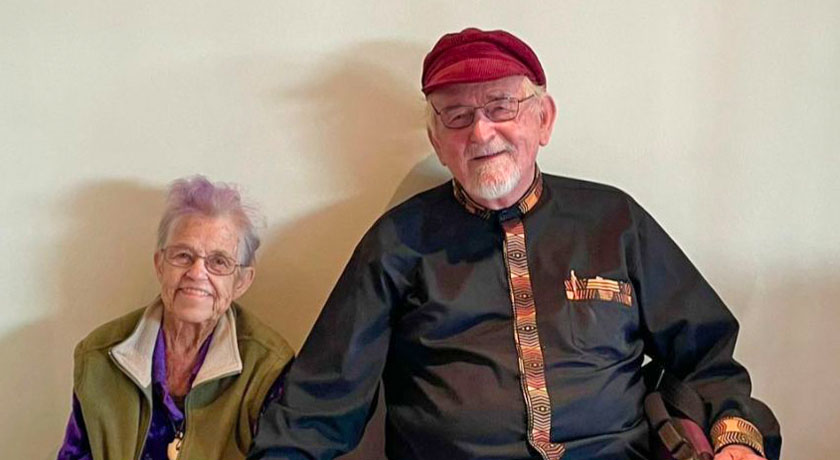
Under this series of often depressing events, one question kept gnawing away at me: where is Terry Bell when you need him? Bell, an early prototype of the working class agitator had the credentials: he protested when it was very dangerous to do so, got thrown into prison for it before accepting that exile was perhaps the place to go if you wanted to tell the world of the atrocities that were taking place in South Africa and live to write about it. Sporting the Bolshevik facial do, a sailor cap and unassuming garb, he sure had the look, but most importantly – as the post-democracy labour union movement started getting swallowed up in the trappings of neoliberali excess – he still had the institutional memory to remind everybody of what the initial sensibilities had always been.
Bell passed away in March this year, leaving behind an indispensable trove of writings many of which had been a Sunday afternoon staple for tried township lefties who tended to regard him as a crossover who laid it all down for the cause. Through his own writings and from those cut from the same cloth, the principles, logics and underpinnings of the worker movement echo loudly. The status quo may tremble and look the other way but true soldiers like Vavi listen and keep the message alive.
And when some peace-time 40-hour-week beneficiaries are quick to question whether a country of such gross unemployment even has the right to celebrate Worker’s Day, Vavi is unequivocal. Yes, indeed, it does. Recognising the tumultuous road paved by torture, great personal sacrifice and blood from which the labour union movement was forged, the current stumbling blocks surely could never eliminate the memory of those who went in when it was really hard. When ideas and idealism flourished. For Vavi, it is in seemingly small but fundamental actions like those in the 1980s of Shoprite female workers downing tools for six months calling for maternity leave, that stand out. As previously written, and in light of a general disinterest shown this past week to yet another important day, the working class hero is a slowly dying breed. In Vavi’s case, it has been through insidious efforts to cut him off. But, like Bell, who continues the struggle even in death, the cold grave cannot stop a man who has dedicated the better part of his life to fighting on when it would’ve been far easier to take the money – or the job – and shut up.
Featured image: Terry Bell and his wife Barbara. Source: Toverview.co.za