
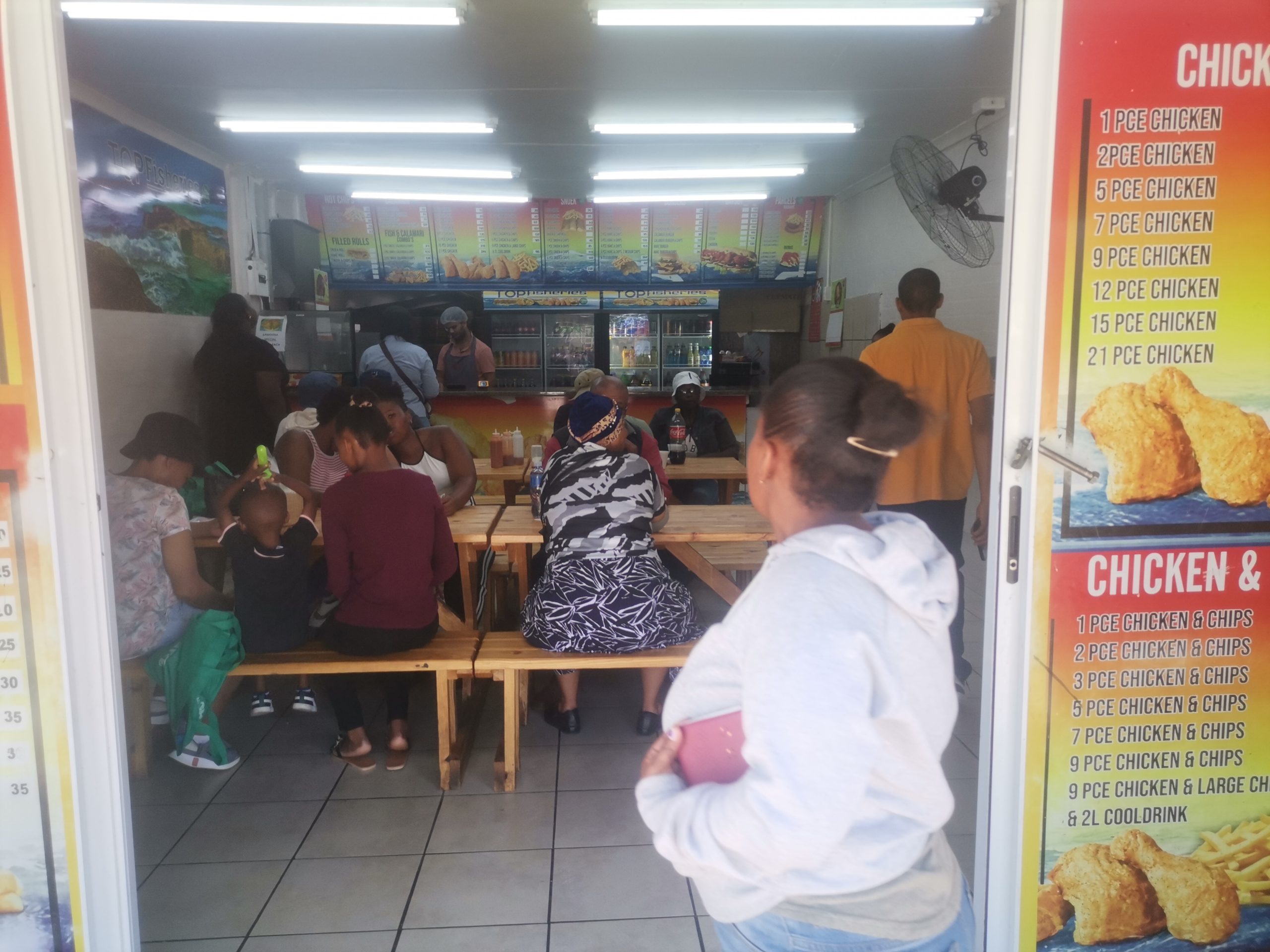
Only forty years old, an otherwise healthy *Simphiwe Sandi declares, deadpan, that he wishes he had a disability. ‘It’s the only way,’ his unambiguous face confesses on a balmy Karoo noonday that ‘I can earn an income.’ In many a setting such a disclosure might be fobbed off as the ramblings of a man who’s had one too many. Or a slovenly drifter devoid of any inkling of self-respect. But here in 21st century SA this is not so much a matter of ‘many’ as gradually becoming one of ‘most.’
Half of Sandi’s friends, ranged between their late thirties and fifties are sat nursing a homemade concoction at a bootleg drinking establishment courtesy of ‘Ramaphosa’s money.’ To simply call the grants a ‘lifeline’ – or as one website writes on the meagre increases announced earlier this year, ‘excellent news’ – is to not sufficiently appreciate that it cuts way deeper than that, sometimes ripping into the very dignity and humanity of the people who have no other means but to be solely ‘dependant’ on them. (Dependant in this case aptly expressing the infantilising of grown men into little more than children who rely on the state to pay their way). That is to say the romanticized language used to refer to the miserable situation totally ignores the severity and in-your-face, everyday impact of the situation.
There are some 19.2 million social grant beneficiaries in the country, a figure which spikes to a whopping 28 million if one factors in the Social Relief of Distress (SRD) grant. In 2024, SA’s mid-year population stood at 63.1 million, meaning nearly 45% of the nation subsist on some form of social welfare. That’s almost half of the country, leading to analysts and opposition political parties commonly referring to ours as ‘a welfare state.’
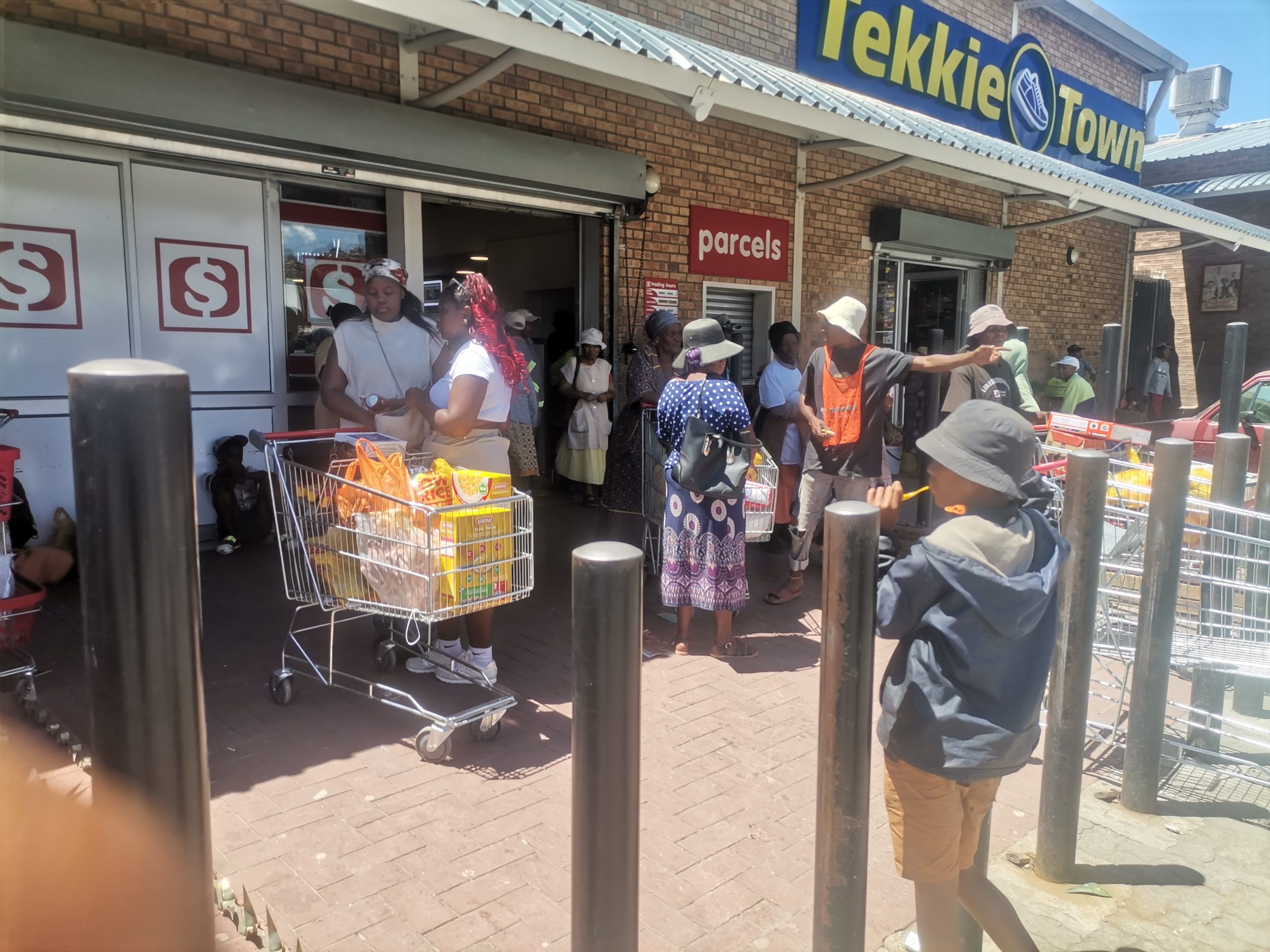
And, come the campaign trail silly season, there is a common argument that the once–ruling ANC owes whatever ballot victories it might have secured to the social welfare voter. From this premise, much like in the stakes of social visibility or meaningful economic participation, the social grant beneficiary is only useful as a prop to be brought out when politicians want to say ‘see, without us, these people would be out in the cold’ or conversely ‘this is what poor governance looks like … welfare queues and no jobs.’ Likewise the stasticians will roll up, do their counting and when the final sentence has been written about the shocking numbers, the misery of the lived experiences of these beneficiaries will go on unabated.
And it will be laid bare in enclaves like Colesberg where you’re brought up-close and personal to what the number-crunching translates to in real, perceptible terms. It’s the paltry sums that often see to the upkeep of entire families. In some households, it means up to three generations scrounging off of the grants of the elderly and the grandkids. Currently, our qualifying senior citizens receive a monthly R2340, Sandi’s physically-maimed friends get by on R2320 and, the child grant is at R560. Then there is the often overlooked foster care grant of R1250.
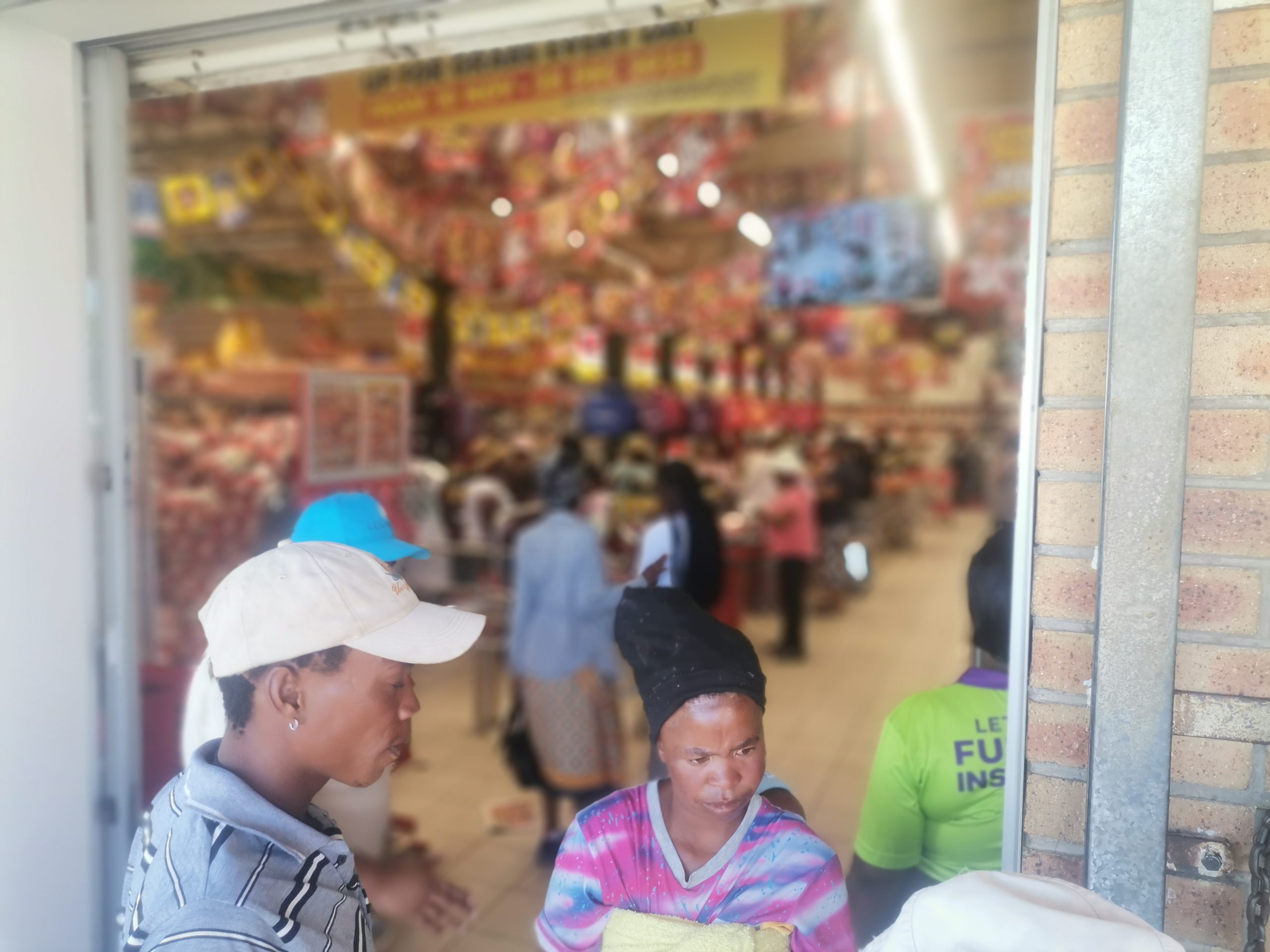
Look, this is now all mostly anecdote. But, when unemployment renders even the most capable people to peasentry, why would we feign shock at the ever-changing social make-up and darkening social fabric of our society. Or, for that matter, the idea that the country is ever-slipping along an inexorable slope to moral degeneracy. Social services and the health sector are perhaps where the true extent of the problem are laid bare in both subtle and overt experiences.
The snaking queues you see across the country on the grant payout dates, especially affecting the elderly who are often forced to queue overnight and are exposed to the elements because the system seems severely overburdened in some parts of the country should be seen – as a colleague so accurately put it – less as assistance than ‘a badge of shame.’ More than anything, it speaks to the indignity and invisibility of the already marginalised, a reminder that in SA, being at the pitiful dregs means you can still sink further down the s***hole. So, in trying to keep above the encircling tide, young women are often said to be bent on wanting to bear as many kids as they can: more mouths to feed, sure, but also a bit more of the grant to draw. In some cases, the Ubuntu principle of a village raising a child has been taken out of the foster care system, rendering it as nothing more than another transactional scramble. No charitable overtures or genuine affection for the child that social services have left at your door.
When sociologists write about the dependency theory, they paint a grim picture of underdeveloped societies that seem to be caught up in a rut, an endless cycle of begging from their betters. Moving from this school of thought, and South Africa numbering itself in the ranks of being an up-and-coming player, then are we at least able to agree that the ‘administrators’ (we us the term deliberately because for the most part the government generally doesn’t seem to have the wherewithal to address those issues that are an incubator for the depravity and lawlessness that generally afflict the dear Republic) don’t seem to take seriously the fact that one of the causes of the nation’s ills could be that capable men are denied the opportunity to earn an honest day’s pay.
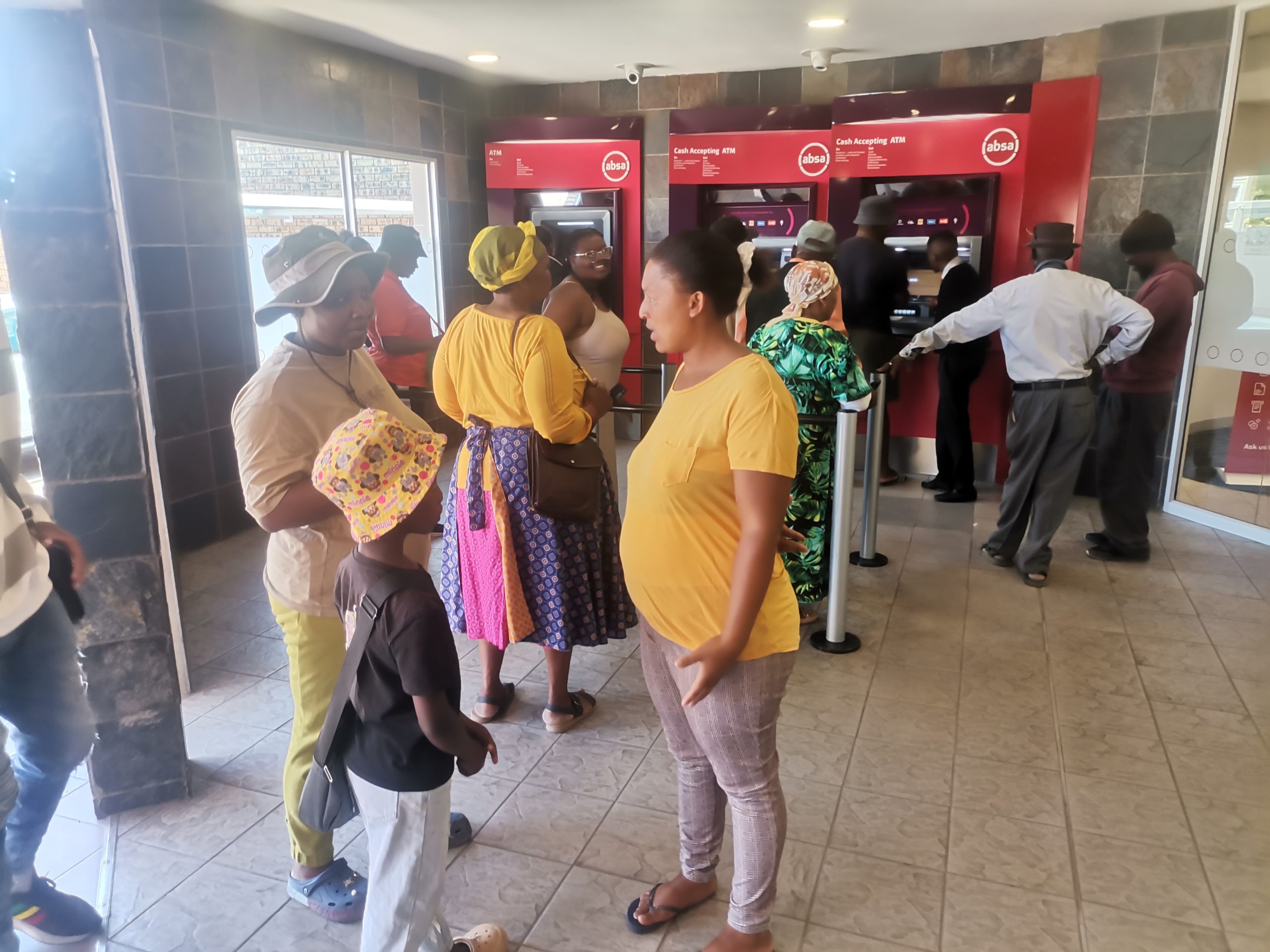
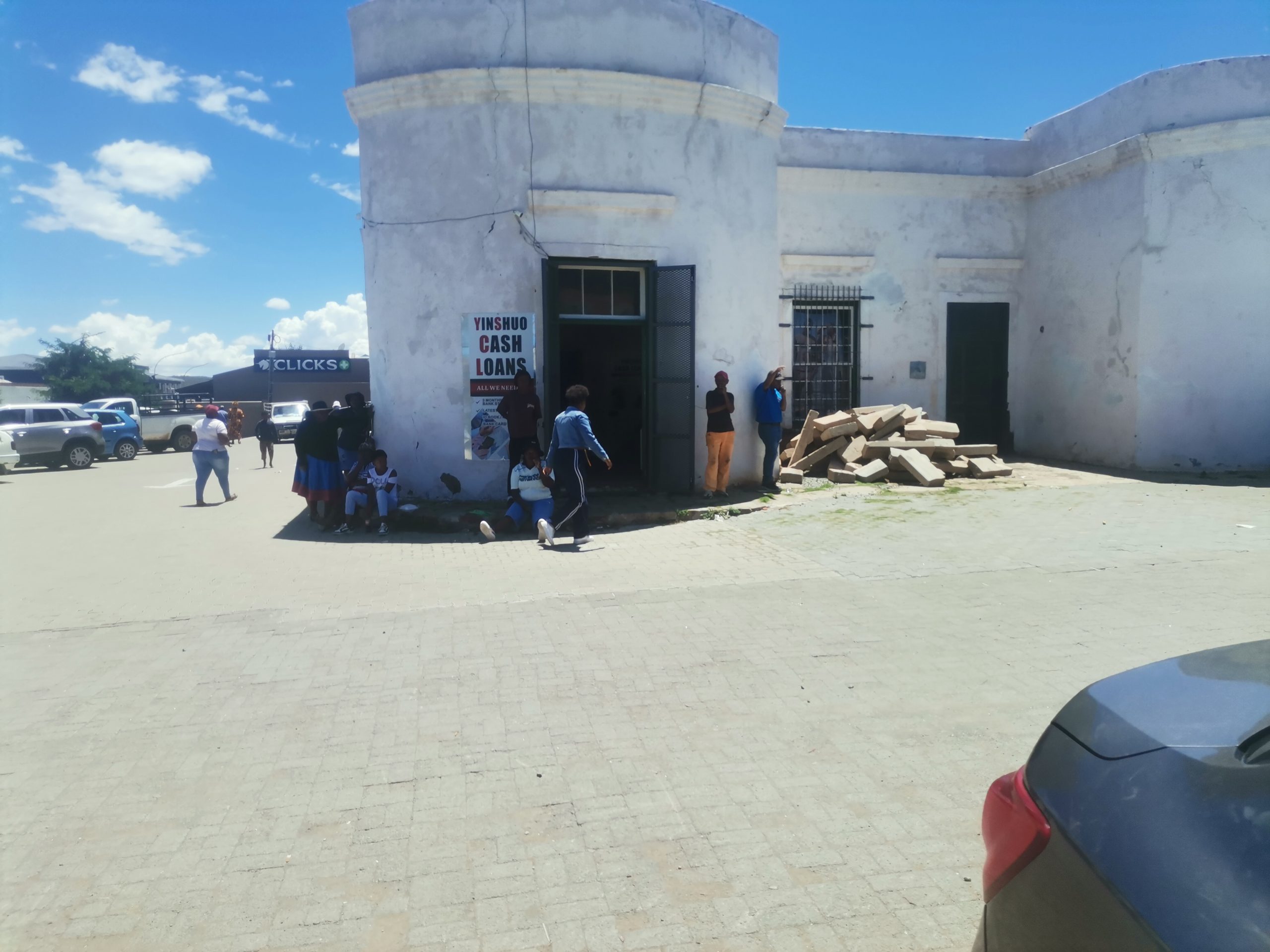
Instead, they must loiter, staring enviously at their disability-grant-drawing peers. Many have sunk into the position of accepting that the grants are the best they are ever going to get. The upshot of this: An emasculated society that takes out its frustration on the most vulnerable – women and children. No surprises then that we have amongst the highest rates of femicide anywhere in the world. The entire planet is often shocked and disgusted at the crimes South Africans perpetrate against their children and the elderly.
For the pessimistic and incompassionate South African, these beneficiaries should thank the taxpayer and be happy because they are being paid for virtually doing nothing. But what this taxpayer misses is that this is a festering wound that will, if not properly tended to, affect us all. It’s breeding a frustrated, angry society that could potentially rise up against itself and under such an uprising nobody will distinguish between the taxpayer or anybody else. Doomsayer, I hear you say, but take a closer look at the news and social media and you may notice snippets of people who have got nothing to lose. They openly beat up their women, accost suspected criminals, exercise mob justice without batting an eyelid. They tell a story of a tinderbox waiting to go off.
Nonetheless, the grants continue to do their duty. They buy the measly groceries, keep the meter box ticking, pay umasngcwabane (funeral policy) premiums and – on good days – procure the beer for the mates as well as the unemployed ladies whose circumstances mean they are hankering around desperately for a tipple. Yes, she will have to figure out a way of thanking her benefactors.
Social grants are a global phenomenon, guaranteed in constitutions the world over hence rendering articles of this nature unnecessary especially, let’s say, in Sweden. But this is not Geneva and today, Wednesday 3 November, is the day the disability grant is being paid out and those who’ve been approved by the medical doctors appear to be rather grateful for their medical challenges. Yes, many are seemingly glad to be sick. How else could they survive? Therein, dear reader, is where you realize that here is not only the most unequal society in the world. This is also a very strange place to love and live in.